Our Services

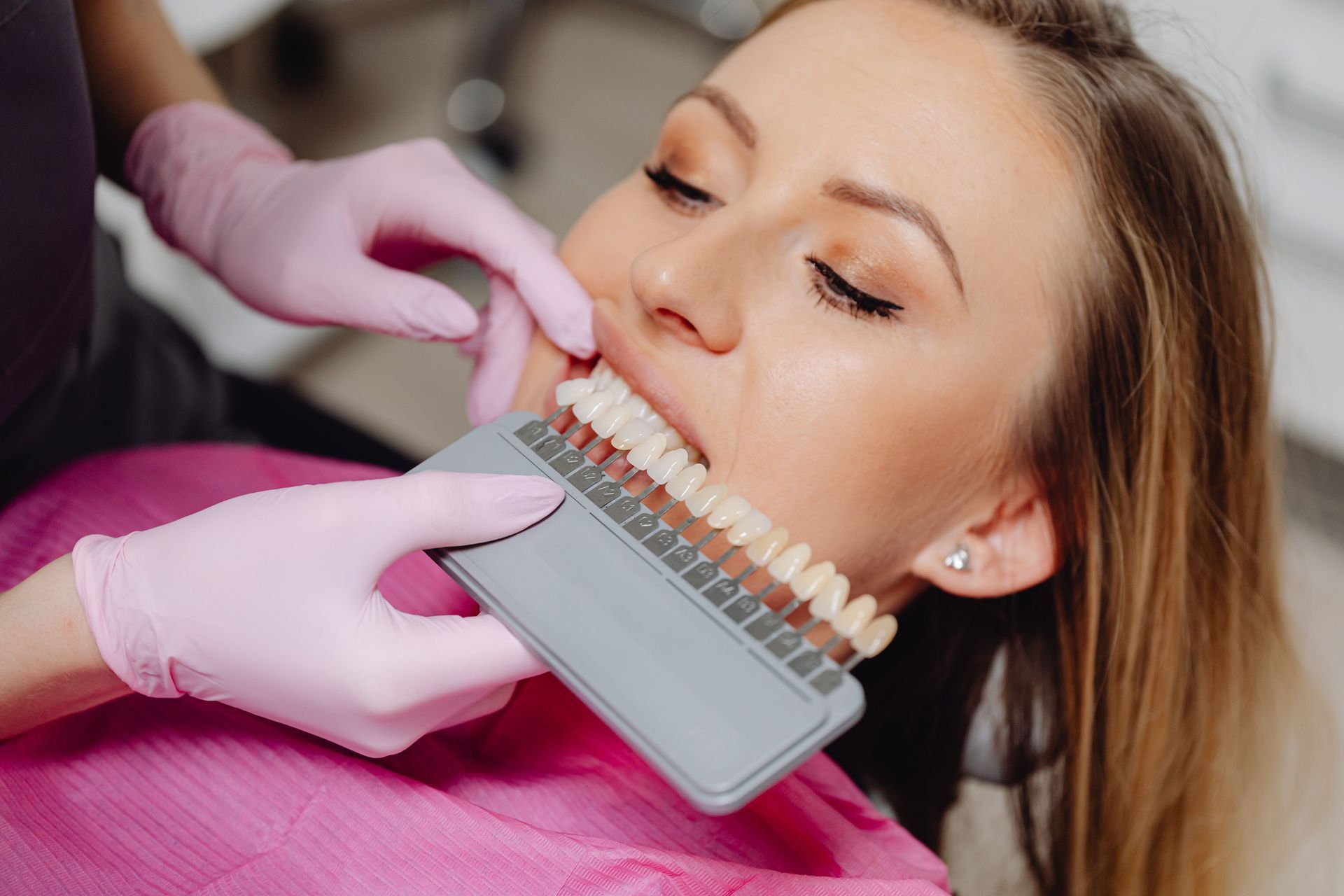
Whitening, Veneers, Crowns, Chair-Side Bonding and Tooth Reshaping, Smile makeover.


Whitening: “Teeth bleaching” is a very safe, minimally invasive and commonly performed dental procedure which leaves patients very happy with the results. Whereas polishing may only lift superficial stains off teeth, bleaching is based off a mini chemical reaction done on the visible surfaces of the teeth, too lift stains that are more internal.


Veneers: Whereas a crown or “cap” is used to build up or strengthen a tooth that has lost a lot of tooth structure a veneer is a more conservative option to cover only the visible surface of a tooth for esthetic reasons. It is like a thin shell or acrylic nail that is designed and made in a lab out of porcelain or zirconia to be permanently bonded onto the front of a tooth. To have a veneer placed there is only minimal preparation to the tooth, sometimes without freezing. One of the benefits of having a veneer done versus “chairside bonding” is that it stands the test of time a lot better as they do not stain and chip as easy as bonding does. 

Chair-Side Tooth Bonding and Reshaping-is essentially using the same bonding materials we would use to place a “white filling” to build and sculpt teeth how a patient desires.


Smile Makeover: Depending on the current state and health of a patients teeth we can use a combination of these different techniques including the previously discussed crowns, bridges, implants to obtain the smile they’ve always wished for

Cosmetic Dentistry
Periodontal Care

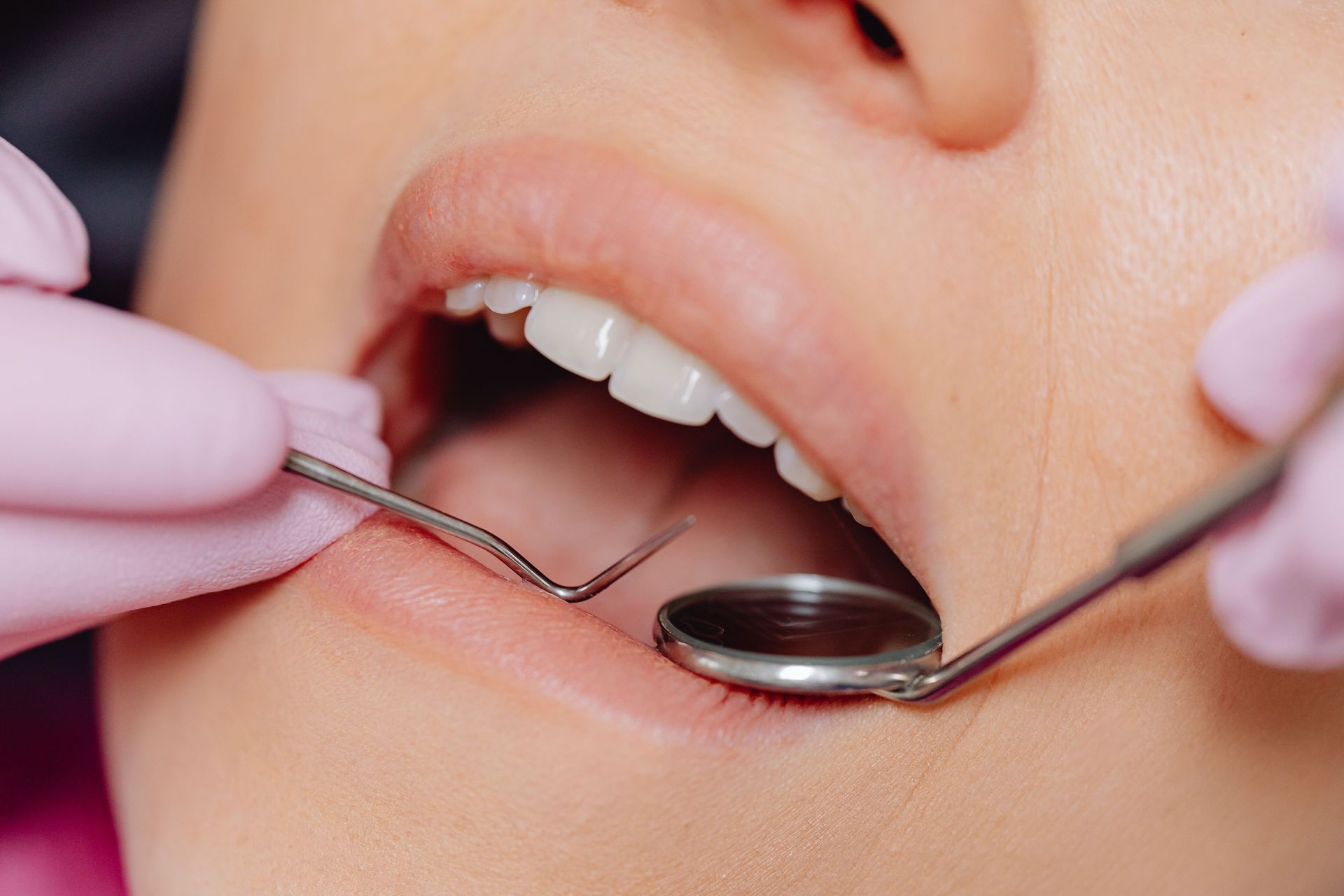
Periodontal refers to the tissues and bone that support your teeth.


Gingivitis is inflammation of the gums, which presents itself as bleedy, achy, and swollen gums and bad breath.

Periodontal disease is also known as gum disease. This can occur when gingivitis has been left untreated for so long that the bone supporting the teeth starts to be lost, and can lead to eventual tooth loss. Periodontal disease can also occur with a genetic predisposition or sometimes because of underlying medical conditions. Coming for routine dental care and scaling (cleanings) can help the dentist diagnose this early enough, and create a plan to try to prevent and stabilize this condition as early as possible.


While some patients have to be referred to a gum specialist (periodontist) to have more comprehensive treatment done, our hygienists, under the supervision of a dentist, can treat and see patients with periodontal disease during their routine cleaning appointments. The dentist may sometimes recommend freezing to allow for the hygienist to deep clean below the gumline in a comfortable manner for the patient. Or they may recommend scaling in quadrants, where only specific areas of the mouth are cleaned in one sitting. It is this thoroughness and removal of tartar/calculus below the gum level that will allow patients to hopefully stabilize, or sometimes improve, their periodontal health and keep their teeth for life. If things are not cleaned below the gum surface, you may as well continue to only brush at home and hope gum and periodontal disease don’t catch up with you. The number one cause of tooth loss is periodontal disease.


Botox

Nightguards, Botox

A nightguard is a custom fabricated appliance or splint a patient wears at night time or sometimes during the day to prevent and treat symptoms associated with clenching, grinding and TMJ disorder. Sometimes only your dental providers can see the effects of what is going on with some of these habits. Did you know about 50% of patients that think they breathe through their mouth because they snore or have apnea are actually clencher/grinders in their sleep! 


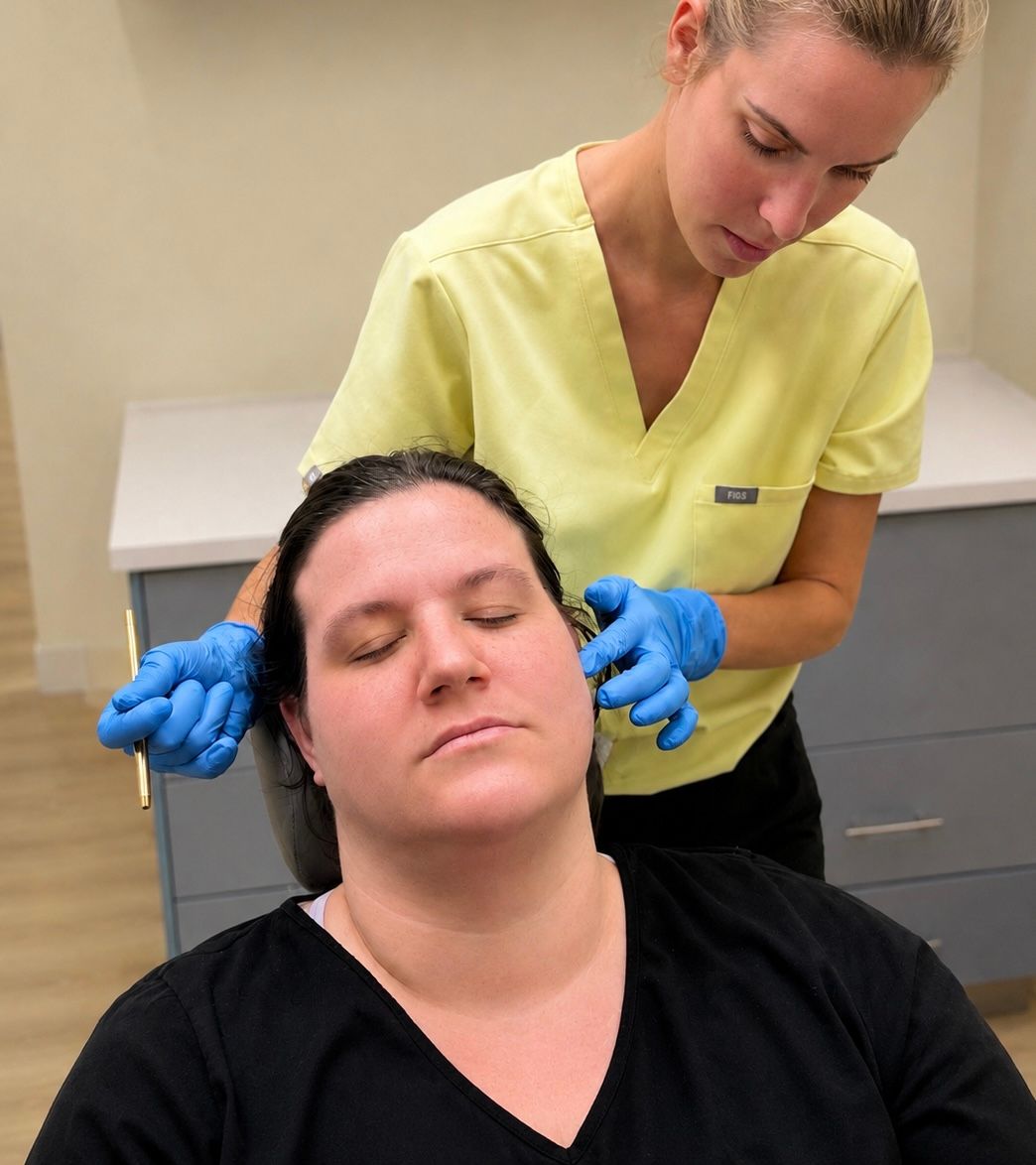
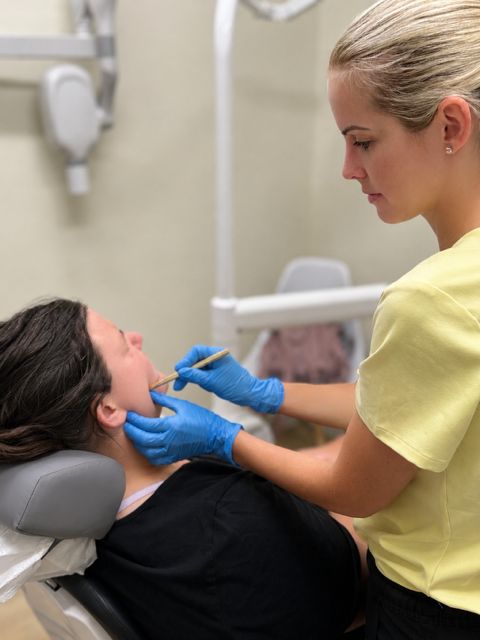
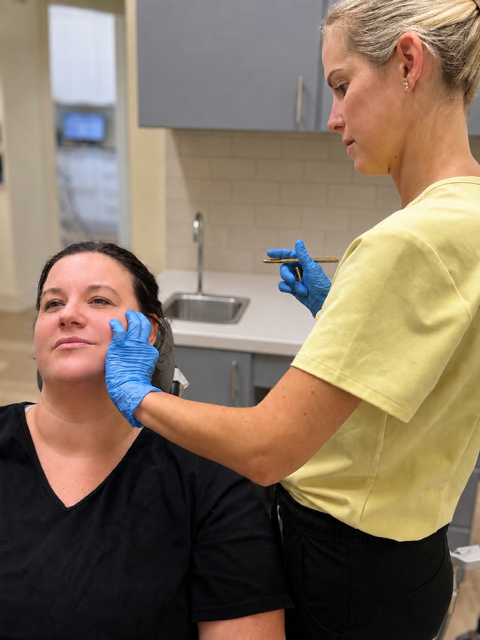
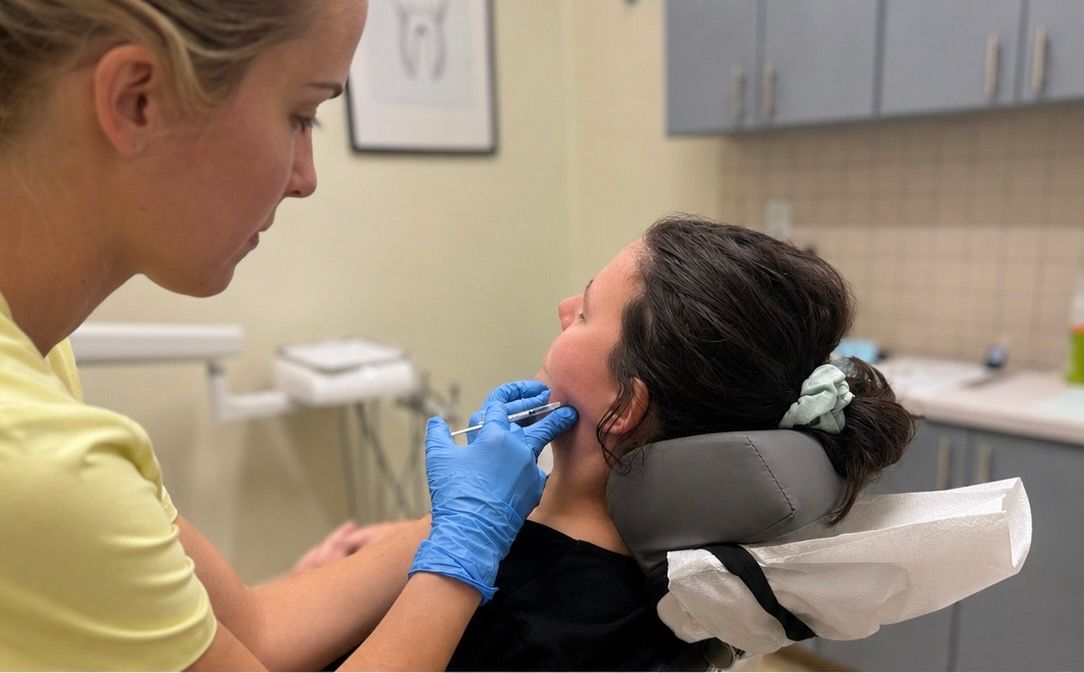
Botox can be a very useful, and nowadays, a more commonly used neuromodulator to treat temporomandibular joint bruxism (TMJ), its symptoms and/or chronic migraine headaches. Botulinum Toxin A (BOTOX ) and Dysport are some of the most widely used brands for injections and what we use in our office. For TMJ injections it works to relax jaw muscles. Some patients notice effects instantly, while some may take 2 or 4 weeks to see full results. Migraine injections block pain neurotransmitters and may reduce frequency and severity of headaches. The results can last typically last 3–6 months.